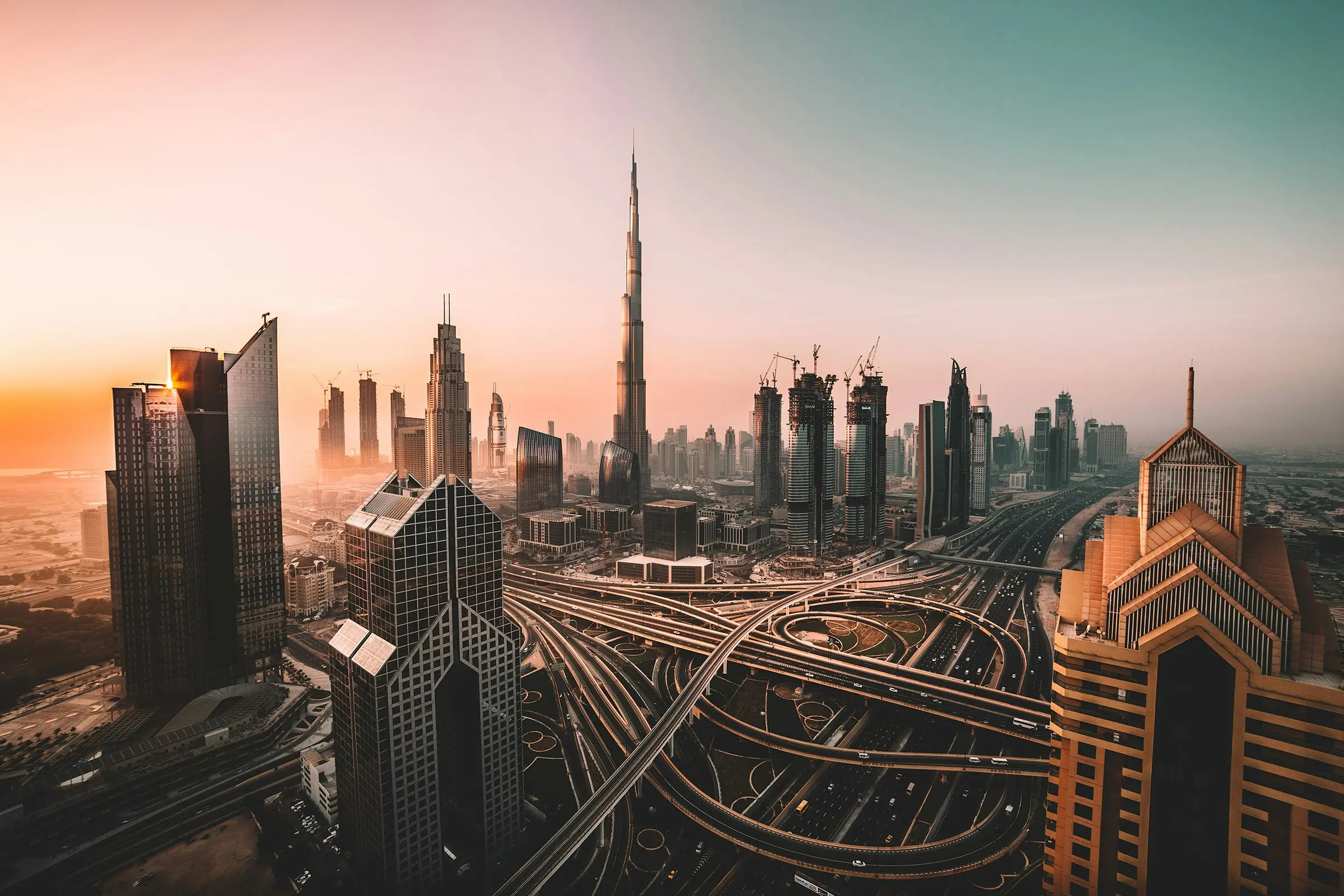
Sustainable and Green Buildings in Dubai: The 2026 Real Estate Shift
Sustainability has moved from marketing buzzword to market force in Dubai's real estate sector. In 2026, green buildings command measurable premiums in both sales prices and rental rates, driven by government mandates, corporate ESG requirements, and growing tenant demand for healthier living enviro

Key Takeaways
- In 2026, green buildings command measurable premiums in both sales prices and rental rates, driven by government mandates, corporate ESG requirements, and growing tenant demand for healthier living environments.
- Over 1,200 LEED-certified projects now exist in the UAE.
- Solar-powered villas, organic farming, and zero-waste operations have created a model that commands 15–20% price premiums over comparable non-green communities.
- By 2028, green certification is expected to become a baseline requirement for all new Grade A developments.
- Green buildings outperform on every metric that matters to investors: yield, appreciation, occupancy, and risk mitigation.
Sustainable and Green Buildings in Dubai: The 2026 Real Estate Shift
Sustainability has moved from marketing buzzword to market force in Dubai's real estate sector. In 2026, green buildings command measurable premiums in both sales prices and rental rates, driven by government mandates, corporate ESG requirements, and growing tenant demand for healthier living environments.
Dubai's Sustainability Mandate
The UAE's Net Zero 2050 strategy has accelerated green building adoption across Dubai:
- Dubai Building Code 2026 requires all new constructions above 10 stories to meet minimum green building standards
- DEWA's Green Building Regulations mandate solar-ready rooftops and smart metering for new developments
- Dubai Municipality's Al Sa'fat rating system provides a four-tier green building classification (Bronze, Silver, Gold, Platinum)
- Free zone requirements — DIFC and DMCC now require LEED or equivalent certification for all new commercial buildings
These regulations are creating a two-tier market: green-certified buildings that attract premium tenants and prices, and non-certified buildings facing increasing obsolescence risk.
Green Building Certifications in Dubai
Al Sa'fat (Dubai's Own Rating)
Launched by Dubai Municipality, Al Sa'fat evaluates buildings on:
- Energy efficiency and renewable energy integration
- Water conservation and recycling systems
- Indoor environmental quality
- Materials and resource efficiency
- Innovation in design and operations
LEED (Leadership in Energy and Environmental Design)
The most internationally recognized certification, LEED is preferred by multinational tenants who need to report ESG metrics globally. Over 1,200 LEED-certified projects now exist in the UAE.
Estidama (Pearl Rating)
While primarily used in Abu Dhabi, some Dubai developers pursue Estidama certification for projects targeting the broader UAE market.
Premium Pricing for Green Buildings
Data from 2025–2026 transactions shows clear pricing differentials:
| Metric | Green-Certified | Non-Certified | Premium |
|---|---|---|---|
| Sales price/sqft (premium towers) | AED 2,600 | AED 2,200 | +18% |
| Rental rate/sqft (Grade A offices) | AED 180 | AED 150 | +20% |
| Occupancy rate (commercial) | 92% | 82% | +10pts |
| Tenant retention | 78% | 62% | +16pts |
| Service charge premium | -8% | baseline | Lower costs |
The green premium is most pronounced in the commercial sector, where multinational tenants increasingly mandate certified office space. Residential premiums are growing as end-users become more aware of operating cost savings and health benefits.
Notable Sustainable Developments in 2026
The Sustainable City
Dubai's pioneering net-zero community continues to set the standard. Solar-powered villas, organic farming, and zero-waste operations have created a model that commands 15–20% price premiums over comparable non-green communities.
Dubai Creek Harbour
Emaar's flagship development incorporates district cooling, smart waste management, and extensive green spaces. The community targets Al Sa'fat Gold certification across all residential buildings.
Masdar City Expansion
While technically in Abu Dhabi, Masdar City's expansion is influencing Dubai developers. Its net-zero commercial buildings and autonomous transit systems represent the direction of sustainable urban development in the region.
Expo City Dubai
The Expo 2020 legacy district has been redeveloped as a sustainable mixed-use community. LEED-certified buildings, renewable energy integration, and smart infrastructure make it a showcase for green urban living.
What Makes a Building "Green" in Practice
For buyers and tenants evaluating sustainable properties, look for these tangible features:
Energy Efficiency
- High-performance glazing (low-E coatings, triple glazing)
- District cooling connection (more efficient than individual chillers)
- Solar panels or solar-ready infrastructure
- LED lighting with occupancy sensors
- Smart HVAC with zone control
Water Conservation
- Greywater recycling systems
- Low-flow fixtures and dual-flush toilets
- Smart irrigation with weather-responsive controllers
- Leak detection systems
Indoor Environmental Quality
- MERV-13+ air filtration
- Low-VOC materials and paints
- Daylight optimization and circadian lighting
- Acoustic insulation
- Biophilic design elements (living walls, natural materials)
Smart Building Management
- Real-time energy and water monitoring
- Predictive maintenance systems
- Occupancy-based resource allocation
- Integrated waste management
The Business Case for Green Investment
Beyond the environmental benefits, green buildings deliver measurable financial returns:
- Lower operating costs — 20–30% reduction in energy and water expenses
- Higher rental income — 10–20% premium for certified commercial space
- Faster lease-up — Green buildings reach target occupancy 2–3 months faster
- Better tenant retention — 15–20% lower turnover reduces re-leasing costs
- Future-proofing — As regulations tighten, green buildings avoid costly retrofit requirements
- Access to green financing — Banks offer 10–25 basis point discounts on mortgages for certified properties
AI and Sustainable Real Estate
AI tools are accelerating the green transition in several ways:
- Energy optimization — AI-driven building management systems reduce consumption by an additional 10–15% beyond static efficiency measures
- Carbon footprint tracking — Platforms like Aigents Realty can estimate a property's carbon intensity and compare it with alternatives
- Green certification prediction — AI models assess whether a building will achieve specific certification levels before formal assessment
- Sustainable site selection — Algorithms evaluate walkability, transit access, and environmental factors to identify the greenest locations
Challenges and Considerations
Despite the momentum, challenges remain:
- Greenwashing — Some developers market superficial features as "sustainable" without pursuing formal certification. Always verify certification status.
- Higher upfront costs — Green construction costs 3–8% more, though this is recovered through lower operating expenses within 3–5 years
- Limited retrofit options — Older buildings face structural limitations that make full green conversion impractical
- Service charge transparency — Green buildings should have lower service charges, but some developers don't pass savings to tenants
Looking Ahead
Dubai's sustainable real estate market is at an inflection point. By 2028, green certification is expected to become a baseline requirement for all new Grade A developments. Investors who position in certified properties today benefit from both current premiums and future regulatory protection.
The shift toward sustainability isn't just an environmental imperative — it's a financial one. Green buildings outperform on every metric that matters to investors: yield, appreciation, occupancy, and risk mitigation.
Find sustainable and green-certified properties across Dubai with AI-powered search on Aigents Realty.
Frequently Asked Questions
Do green buildings in Dubai command higher prices?
Yes. In 2026, green buildings command measurable premiums in both sales prices and rental rates. This is driven by government mandates, corporate ESG requirements, and growing tenant demand for healthier, more energy-efficient living environments.
What are Dubai's green building regulations?
Key regulations include the Dubai Building Code 2026 (requiring green building standards for new constructions above 10 stories), DEWA's Green Building Regulations (mandating solar-ready rooftops and smart metering), and Dubai Municipality's Al Sa'fat rating system with four tiers of green certification.
What is the UAE's Net Zero 2050 target for real estate?
The UAE's Net Zero 2050 strategy requires significant reductions in building emissions, which account for a large portion of the country's carbon footprint. This is accelerating green building adoption through both mandatory regulations and incentive programs across Dubai's real estate sector.
Is it worth investing in sustainable property in Dubai?
Yes. Sustainable properties offer multiple investment advantages: higher rental premiums, lower operating costs (particularly energy savings), stronger tenant demand from corporate ESG-driven renters, and regulatory compliance that protects long-term asset value.
Editorial Team
AiGentsRealtyThe AiGentsRealty editorial team consists of real estate experts, market analysts, and property consultants with over 20 years of combined experience in the Dubai real estate market.
Related Articles
Dubai Property for American Investors 2026: The Complete Guide
American interest in Dubai real estate has surged to record levels. In 2025, US nationals invested over AED 3.2 billion in Dubai property — a 47% increase from the previous year — making the United St
Investment GuidesBuying Off-Plan Property in Dubai: A First-Time Investor's Guide (2026)
Everything first-time investors need to know about buying off-plan property in Dubai — from payment plans and escrow protections to developer due diligence and exit strategies.
Investment GuidesBest AI Tools for Real Estate Agents 2026: The Complete Comparison Guide
The real estate industry has crossed a tipping point. In 2026, artificial intelligence is no longer a competitive advantage — it is the baseline. According to the National Association of Realtors' latest technology survey, 78% of top-performing agents now use at least one AI tool daily, and those
Ready to Invest in Dubai?
Get personalized investment recommendations from our AI advisor based on your budget, goals, and preferences.
Ask Sophia AI